Sound Of Silver Talk To Me: Growing Older With LCD Soundsystem
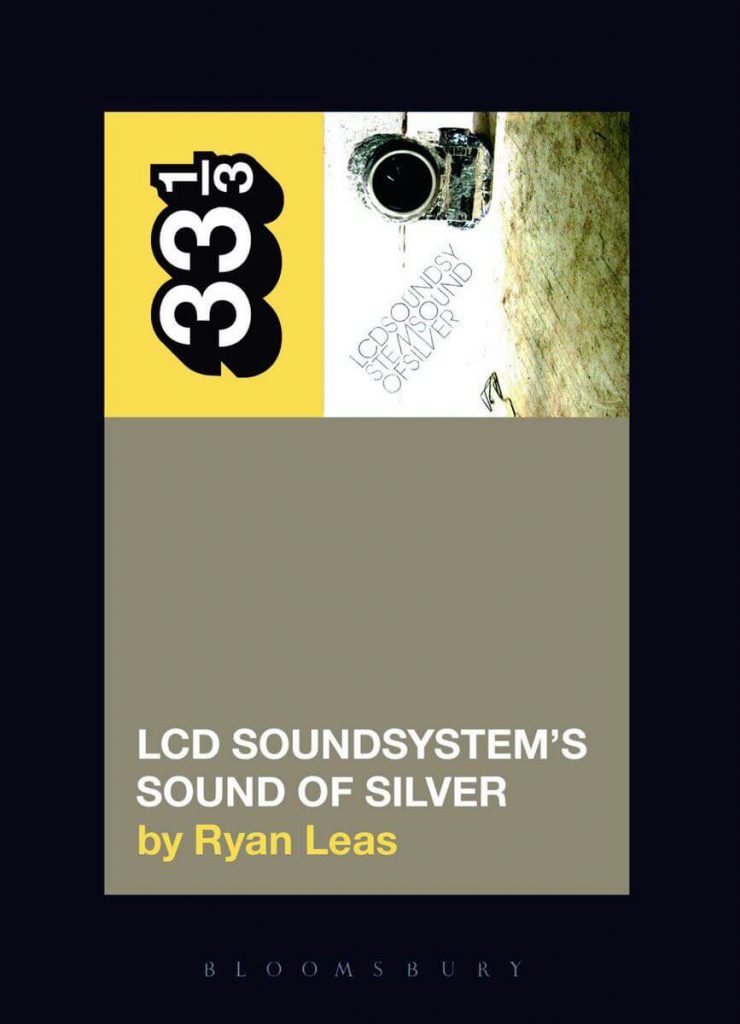
The following is an excerpt from a brand new 33 1/3 release devoted to LCD Soundsystem’s Sound Of Silver, written by Ryan Leas, a contributing editor at Stereogum and freelancer at many other places. The book was surprise-released as it out now via Bloombury. You should probably buy it.
The tension between looking back at your youth and the recognition of aging that pervades Sound Of Silver is all right there in the opener. The album starts of two minds. “Get Innocuous!” is a song that can sound like the beginning of things, the moment of ignition, at the same time as it is an unraveling. The song captures the young and reckless abandonment side of decadence, and it also captures the bleary-eyed, weathered point of not knowing when to move on–whether that’s regarding one long night, or whether that’s regarding adulthood, period. Structurally, it’s a callback to the off-kilter pulsations of “Losing My Edge.”
This time, when Murphy starts singing, he’s actually singing. It isn’t the sing-speak detachment or drolly conflicted manifesto of “Losing My Edge.” Now, it’s a smeared, chantlike melody with its own brand of distance–his voice is made half-human, half-robotic, murmuring snapshots where before he scrambled through references as fast as possible. It’s the sound of gradually losing your identity–the thing you’re viciously trying to protect and figure out at a younger age–to the culture and surroundings around you. “When once you had believed it / Now you see it’s sucking you in / To string you along with the pretense / And pave the way for the coming release,” Murphy sings. It’s the sound of buying in.
In service of, what, exactly? There are blurred references to the late night, the half light, the real life, the half life, collectively forming a hypothetical narrative of life flickering in and out of focus as the days start to fall into rote patterns. At the end, Murphy cedes center-stage to Nancy Whang, whose own chant revolves around the act of normalizing. Then she sneaks in the single reference to the song’s title, the would-be dancefloor cry of inspiration. The command to “Get innocuous!” is, as far as dance songs go, a wry and skewed version of the typical “lose yourself,” sometimes-celebratory ethos. Get harmless. Get useless. Get normal. Get boring.