In Bloom: Talking with Susan Orlean about the Flower District and Meditative Gardening
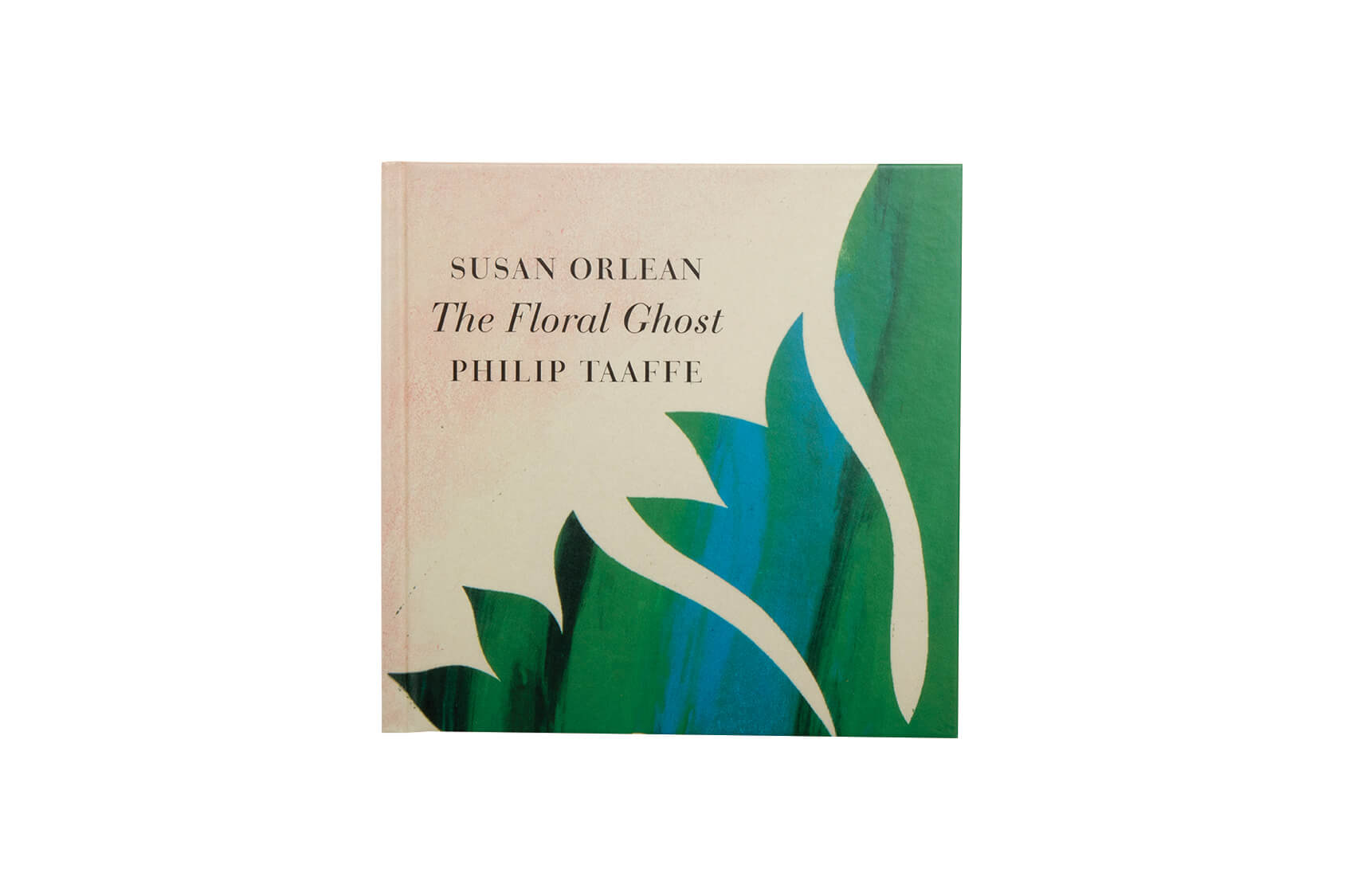
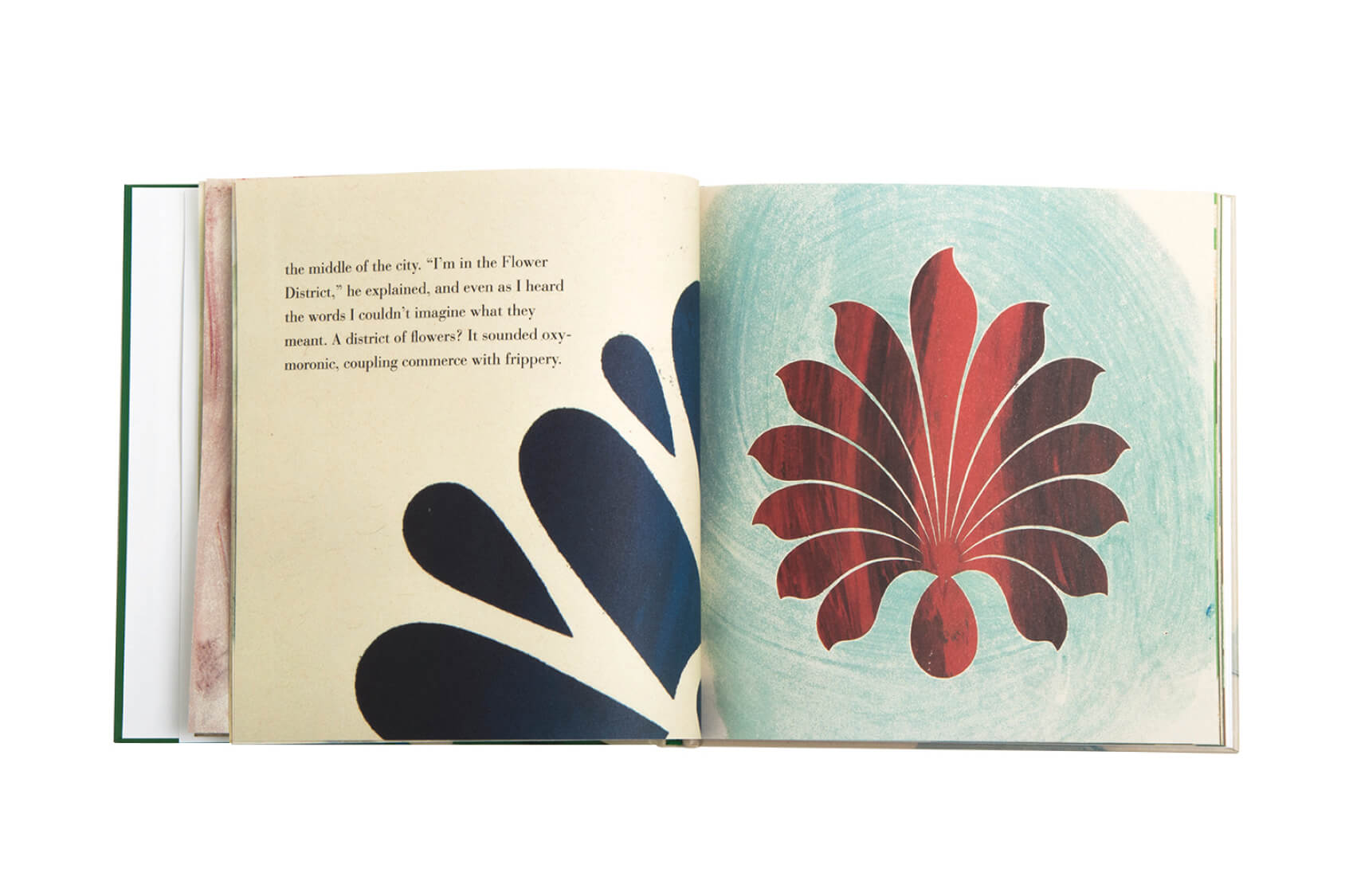
Two years ago, the Planthouse Gallery, formerly a flower shop itself, asked Susan Orlean to collaborate on a project that would pay homage to the Chelsea space’s history. The author and New Yorker staff writer wrote a lyrical essay, “The Floral Ghost,” which recalled the first time she passed through the Flower District as a new arrival to New York City. The story also became the title of an exhibition featuring the botanical-inspired work of six artists, and was distributed there as a broadside. The piece now takes on yet another form: The Floral Ghost, out this March from Planthouse, Inc., is a slim, intimate volume, accompanied by a series of vivid monotypes by artist Philip Taaffe, whose work was also included in the Planthouse show. Here, Orlean reflects on her first floral-inspired work since The Orchid Thief, how the Flower District defined New York, and why she procrastinates writing by weeding in the dirt.
The act of buying a bouquet from a flower shop can be very quaint and charming. What appealed to you at that moment when you first saw masses of flowers in a state more directly connected with commerce?
To me, New York at that period was a place where things got made. I think of walking through the garment district and seeing stores with thousands of buttons and thousands of zippers. To see plants and flowers in that same massing was thrilling. It was fascinating that this thing that we think of as so special and precious also had this quality of being a commodity. It felt like what made the city, in some ways, really unique—that sense that huge quantities of things and people and merchandise arrived in New York and was then divided and sent out to the world again.
Some of Philip Taaffe’s monotypes were originally part of the Planthouse exhibit that your essay appeared in. In what ways do you feel his work in particular offers the best aesthetic compliment to your text?
I would have been thrilled to have any of the artists be a part of this book, but he’s done a lot of botanical imagery in the past, and his work seemed so perfectly suited. Because they’re prints, I think there’s a meditation on a single image that works really well. And it’s very graphic, so it works ideally in this kind of format.