What Does ‘Afropunk’ Mean? Artists Playing This Weekend’s Festival Weigh In
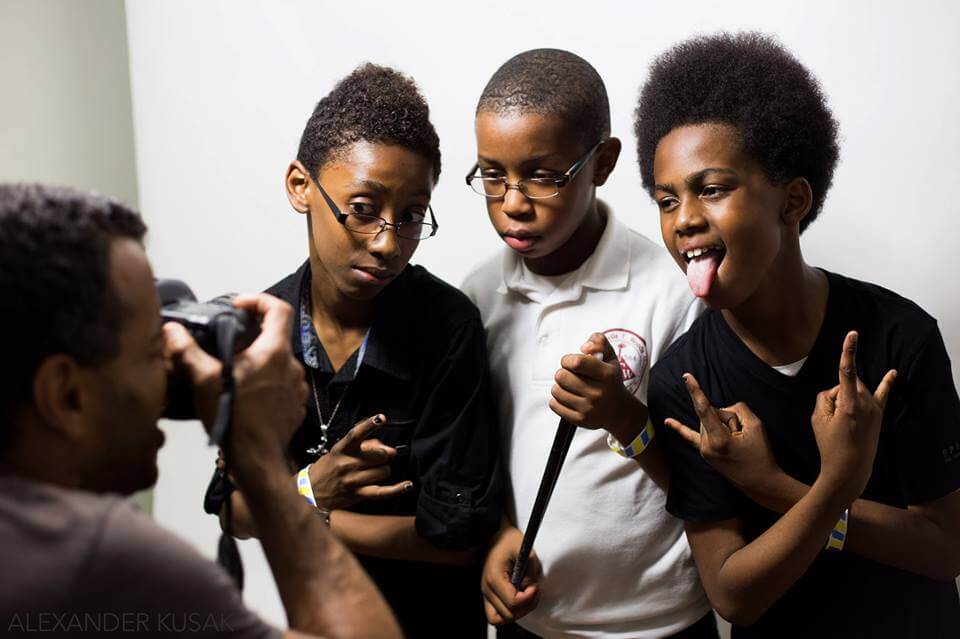
‘Afropunk’ means being different and being yourself. ‘Afropunk’ means that I don’t have to just play R&B and rap. ‘Afropunk’ means I can play whatever kind of music I want to play.
— Malcolm Brickhouse, Unlocking the Truth (performing Sunday at 5:45pm on the Black Stage)
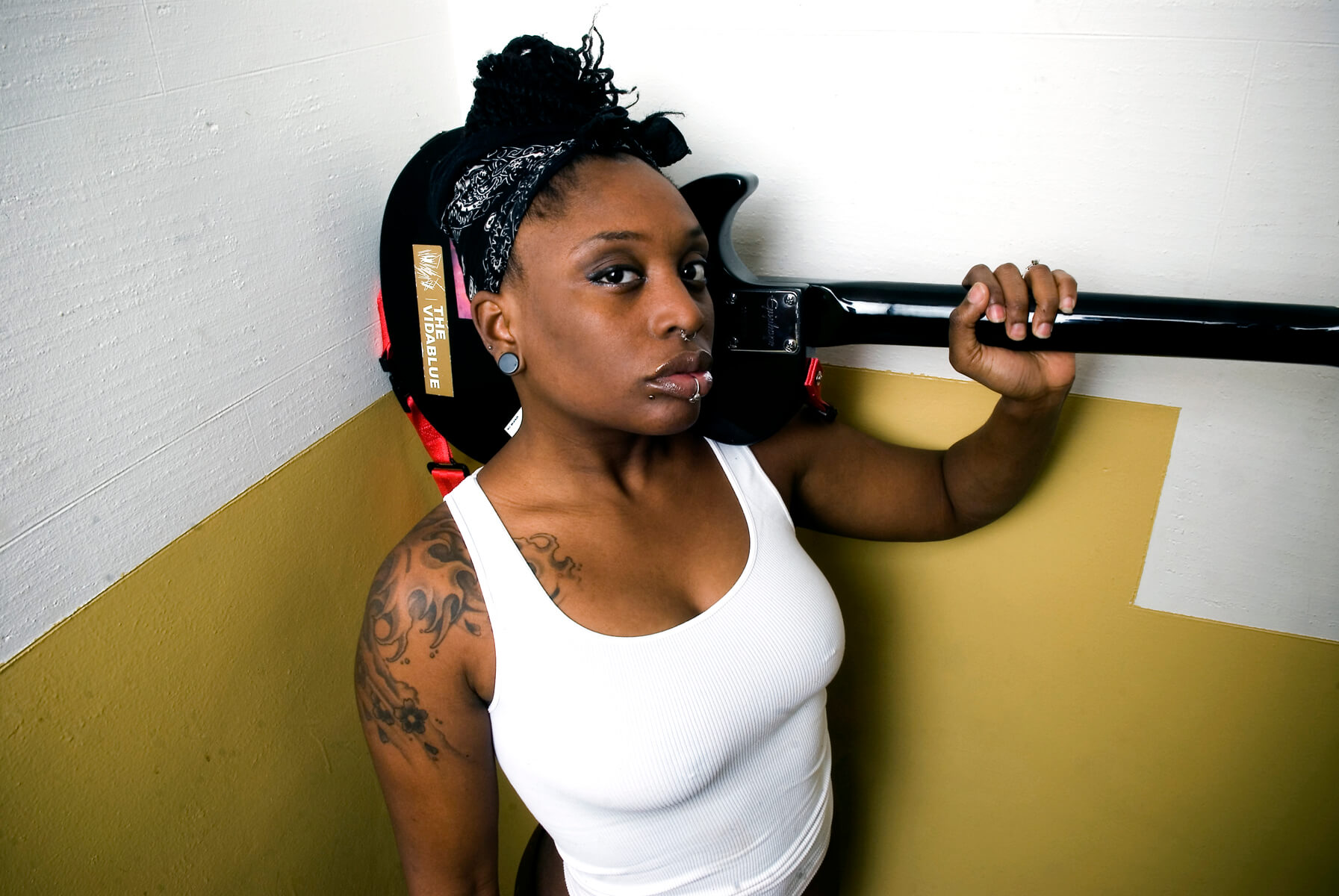
It’s the quintessential ‘fuck you’ to the monolith stereotype that plagues black Americans and robs us of our humanity and eclectic history. As an artist featured in the original documentary that gave the festival its name, I find the use of the term ‘Afropunk’ as a musical genre detrimental to that purpose, as musical genres are actually defined by music technique and style, NOT race. The point is to liberate black artists from that type of marginalizing and create a space for everyone to embrace our innovative and diverse reality.
— Tamar-kali (performing Sunday at 3:45pm on the Green Stage)
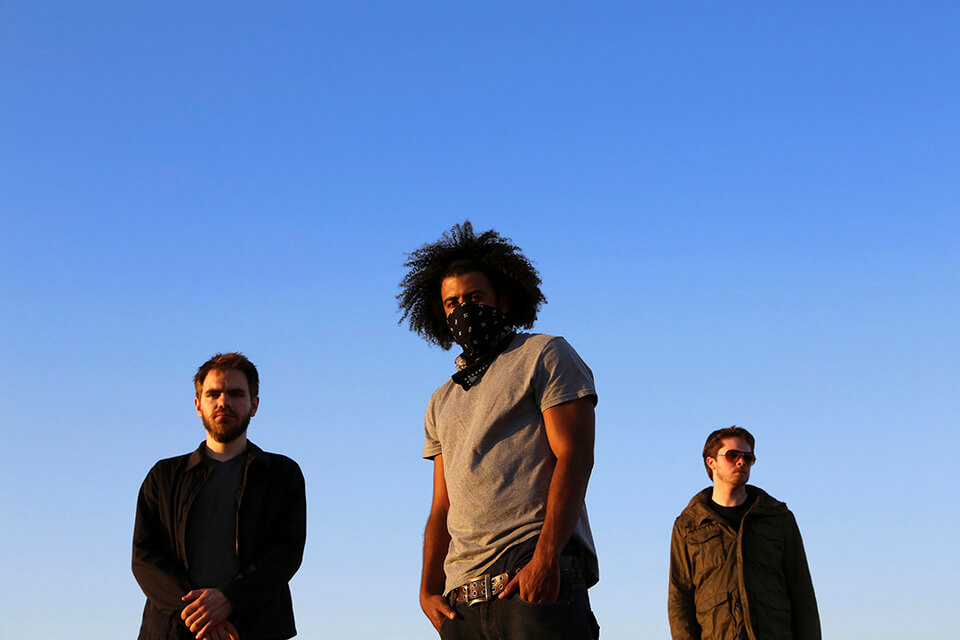
I think we understand ‘Afropunk’ as being related to the term ‘noise-rap,’ which [clipping] has been burdened with. Both are portmanteaux of seemingly distinct, incompatible categories. But their incompatibility is just marketing — it’s false. Afropunk is about drawing an equals sign — not a slash — between the terms. It joins the shared utopian promises of antiracist and anarchist perspectives. There’s always been a radical black vision available in punk culture and vice versa. For us, noise-rap is the same way. It’s about how they’re the same, not different.
— William Hutson, clipping. (performing Saturday at 3:15pm on the Red Stage)
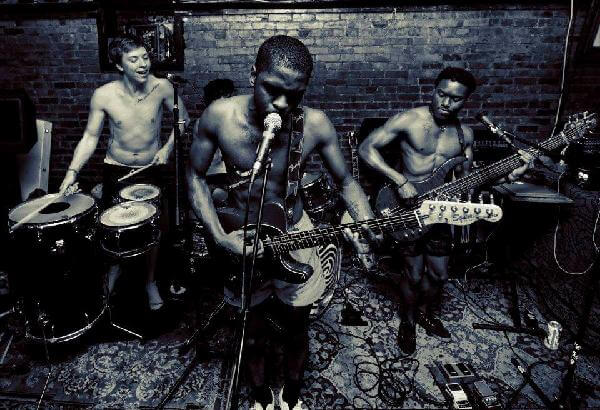
I remember when I first saw the Afropunk documentary years ago, I was so jealous that I wasn’t a part of it! I lived that life they portrayed for so long. Afropunk represents that same chaotic energy from the 70s. However, the need to rebel has shifted from suburban whites to urban blacks.
— Fontez Brooks, Baby Baby (performing Saturday at 2:45pm on the Black Stage)
Follow Lauren Beck on Twitter @heylaurenbeck.